An Example of Urban Biodiversity Conservation

Boucher Forest Is Much More Than a Giant Stormwater Retention Basin!

Boucher Forest is located in the St. Lawrence Lowlands, a vast plain that follows the St. Lawrence River between the Appalachian Highlands to the southeast and the Laurentian Mountains to the northwest.

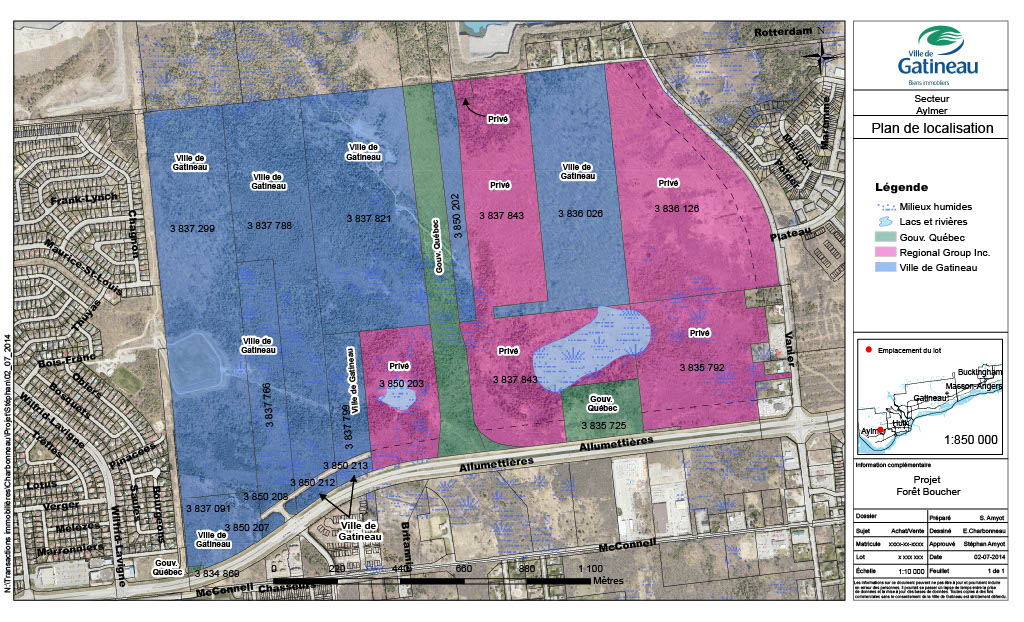
The entire Boucher Forest lies within the administrative boundaries of the City of Gatineau. More specifically, it is located in the Aylmer sector, west of downtown Gatineau.

It is bordered by Antoine-Boucher Road to the north, Allumettières Boulevard to the south, Wilfrid-Lavigne Boulevard to the west, and Vanier Road to the east. Its two main access points are located at the end of Antoine-Boucher Road and at the southern entrance to Boucher Forest at 500 Samuel-Edey Street (corner of Allumettières Boulevard). Several secondary access points are also used by visitors around the forest’s perimeter (Chagnon Street, Maurice St-Louis Street, Thuya Street, etc.).

Boucher Forest is located near Aylmer’s main attractions, including Principale Street, the marina, and Parc des Cèdres with its beach.

11 Priority Ecosystems for Biodiversity Conservation (PEBC)

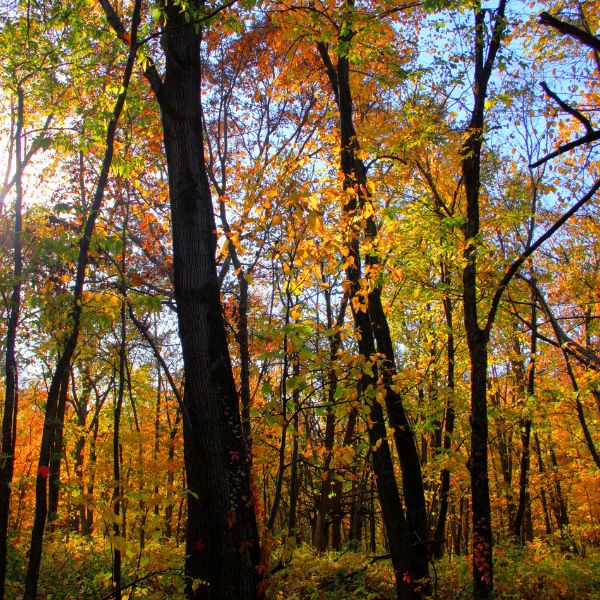
Covering nearly 283.3 hectares (about 700 acres), with its diverse natural habitats and 11 Priority Ecosystems for Biodiversity Conservation (PEBC), Boucher Forest is a unique natural area within the City of Gatineau.

According to Couillard et al. (2012), three of these PEBCs are considered rare forest types: hickory-maple stands (both old-growth and immature forests) and a mature silver maple forest.
A total of eight species at risk are found within these PEBCs, including one threatened species and one vulnerable species in Québec, as well as one endangered species in Canada (Dendroica Environnement et Faune, 2020).

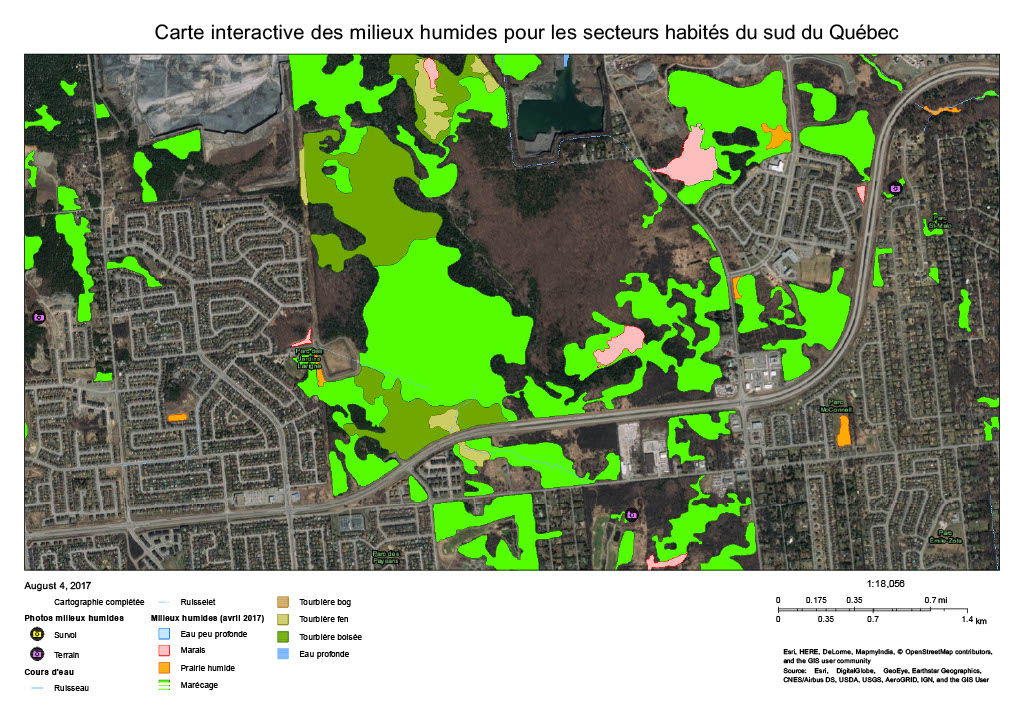
Seven PEBCs are characterized by wetlands. In addition, a total of eight PEBCs have been identified based on the presence of one or more species at risk.

This forest also forms an important link in the Deschênes ecological corridor, connecting Gatineau Park to the north with the Ottawa River a few kilometres to the south.
A Wetland Paradise

Boucher Forest contains an extensive network of wetlands and aquatic habitats covering approximately 135 hectares, or about 50% of its total area. Most of the PEBCs mentioned above were selected because of the presence of these wetland and aquatic environments. These habitats are recognized as being of invaluable ecological importance due to the essential ecological functions they perform.

Wetlands help retain water from spring snowmelt as well as during periods of heavy rainfall. This is essential for the ecosystems of Boucher Forest and the surrounding residential neighbourhoods. These wetlands benefit local communities by reducing soil saturation and lowering the risk of flooding.

Forest wetlands and their riparian zones are also recognized as important biodiversity reservoirs due to their high diversity of invertebrates, nesting birds, and plant species. The extensive wetland network found in Boucher Forest contributes to the overall richness and diversity of its wildlife and plant life. (Dendroica, Boucher Forest Conservation Plan, 2021).

A Very Young History!

Boucher Forest is named after Antoine Boucher, a farmer who worked this land in the early 20th century. Aerial photographs and the vegetation found in the forest show that the area was once used for agriculture and pasture, particularly in the eastern section of the forest.

The protection of Boucher Forest began with community action. As early as the 1990s, residents of Aylmer started raising awareness among decision-makers about the need to protect this exceptional natural area.

This community commitment eventually led to the creation of the Boucher Forest Foundation in 2007 and to the City of Gatineau gradually acquiring several parcels of land within the forest over the years.

The City of Gatineau, the Main Landowner of Boucher Forest

Approximately 55% of Boucher Forest is owned by the City of Gatineau, while the remaining land belongs to the Government of Québec and private landowners. Boucher Forest is enjoyed by people of all ages and abilities, including mountain bikers, hikers, snowshoers, cross-country skiers, people with reduced mobility, and families with strollers. The forest is also used by researchers, amateur scientific organizations, and interest groups such as the Outaouais Ornithologists’ Club, the Outaouais Amateur Mycologists, and the Aylmer Scouts. (Boucher Forest Park Master Plan, BFF, 2019)

Scroll to Top